
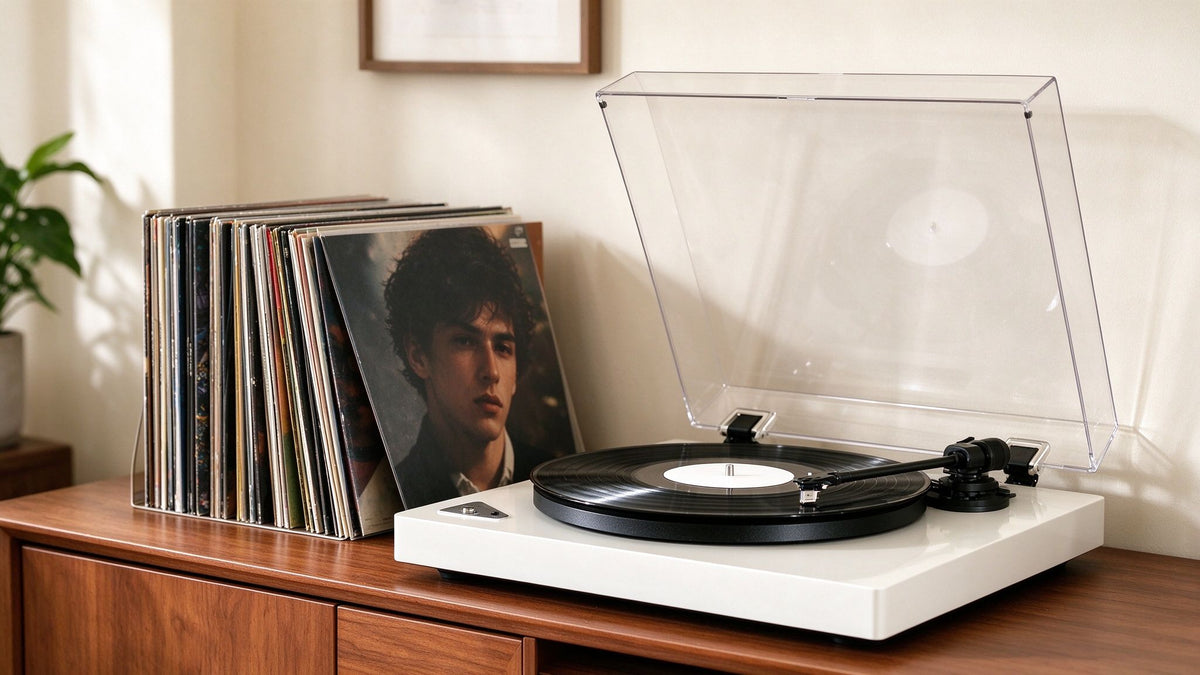
How to Start a Vinyl Collection: A Beginner’s Guide
Introduction
Starting a vinyl collection can feel surprisingly intimidating, especially if you're not sure what to buy first.
Walk into a record store and you'll find thousands of albums arranged across rows of bins. Some are affordable. Others can cost considerably more. There are new pressings, original pressings, remasters, colored vinyl editions, 180-gram releases, used records, limited editions, and albums you've never heard of but suddenly feel tempted to own.
Then there is the internet, where collectors debate pressing plants, matrix numbers, mastering engineers, record grading, and whether one version of an album sounds better than another.
It's easy to feel as though you need to become an expert before buying your first record.
You don't.
A good vinyl collection does not begin with rarity, value, or the number of records on your shelf. It begins with music you genuinely want to hear.
That distinction matters.
The most rewarding collections are usually personal rather than impressive. They contain albums connected to memories, artists someone loves, records discovered by accident, gifts from friends, and unexpected finds that became favorites after being played again and again.
If you're starting a vinyl collection for the first time, this guide will help you build one thoughtfully. We'll cover what records to buy first, where to shop, how to evaluate used vinyl, how much to spend, how to store and care for your records, and how to avoid some of the most common beginner mistakes.
You don't need 500 records to become a vinyl collector.
You need one record you genuinely want to play—and a reason to play it again.
1. Start With Music You Actually Love
One of the easiest mistakes to make when starting a vinyl collection is buying records because you think a collection is supposed to contain them.
There are albums that appear constantly on lists of “essential records.” Some deserve their reputation. But an album can be historically important and still have very little meaning to you.
Your collection doesn't need to resemble someone else's.
Begin With Albums You Already Know
Before searching for rare pressings or discovering obscure artists, think about the music already in your life.
Ask yourself:
-
Which albums do I regularly listen to from beginning to end?
-
Which artists have stayed with me for years?
-
Which records are connected to a particular period, person, place, or memory?
-
Which albums would I enjoy hearing on a quiet Sunday morning or after dinner instead of simply putting on a playlist?
Those are excellent candidates for your first vinyl records.
The vinyl format naturally lends itself to album listening. Instead of jumping between individual tracks, you can put on a record and listen to an entire side before turning it over.
That can make albums with a strong beginning-to-end experience particularly rewarding to own.
Think in Albums, Not Playlists
Streaming has changed the way many of us discover music. We can move from one artist to another in seconds, save individual songs, and build playlists containing hundreds of tracks.
Vinyl asks for something slightly different.
An LP presents music as a physical album: a sequence of tracks, two sides, and often artwork, credits, and liner notes you can explore as you listen. That structure can make you notice songs you previously skipped.
A track that seemed unremarkable on a playlist may suddenly make more sense in the context of the songs around it.
When deciding whether an album deserves space in your collection, try listening to the complete album digitally first.
If you find yourself wanting to hear it again from beginning to end, that's a strong sign it may be worth owning on vinyl.
Build Around Your Taste, Not a Checklist
There is no required starter pack for vinyl collecting.
A first collection could contain jazz and hip-hop. It could be entirely punk records. It could revolve around movie soundtracks, 1980s pop, indie rock, classical music, electronic albums, country records, or modern releases.
It could contain all of those things.
A useful rule is simple:
Buy records you want to play, not records you think you should own.
That principle can save you money, prevent impulse purchases, and make your collection much more meaningful over time.
2. Decide What Kind of Collection You Want to Build
You don't need a collecting strategy before buying your first record. But once you have a few albums, it helps to think about what you actually enjoy collecting.
This can prevent random purchases from turning into an expensive shelf of records you rarely play.
The Listening Collection
For many beginners, this is the most natural place to start.
A listening collection prioritizes records because you enjoy the music and expect to play them regularly.
Condition matters because it affects playback, but rarity is secondary. A clean modern reissue may make far more sense than an expensive original pressing.
This approach is especially practical if you want vinyl to become part of your everyday listening routine at home.
The Artist-Focused Collection
Some collectors eventually concentrate on a particular artist or band.
You might begin with the main studio albums, then gradually add live recordings, singles, alternate pressings, special editions, or solo projects.
This can be rewarding because the collection develops naturally around something you already care about.
The danger is completionism—the feeling that you need every release or every version.
Once collecting becomes “I need every version,” it becomes easy to spend money on records you don't actually want to hear.
There is nothing wrong with being a completist, but make sure the hunt itself is something you enjoy.
The Genre Collection
Jazz, soul, punk, metal, hip-hop, electronic music, classical music, soundtracks, and many other genres have deep histories on vinyl.
Focusing on a genre can help you discover artists and records you might otherwise miss.
For example, you may buy a jazz album because you recognize the artist, then notice the session musicians, producer, or label and use those connections to discover more records.
That kind of exploration is one of the pleasures of collecting physical music.
The Pressing-Focused Collection
More experienced collectors sometimes seek records based on specific pressings, labels, mastering engineers, countries of manufacture, or release years.
This can become fascinating, but beginners do not need to start here.
An original pressing is not automatically the best-sounding version of an album. A heavier record is not automatically better. A limited edition is not automatically valuable.
The quality of a vinyl release can depend on many factors, including the source material, mastering, pressing quality, condition, and the system used to play it.
Start with the music. Learn about pressings when curiosity takes you there.
3. Set a Vinyl Budget Before You Start Buying
Vinyl collecting can become expensive surprisingly quickly.
Individual purchases may feel small, but several records at a time—and repeated trips to a record store—can add up quickly.
A simple spending plan can make collecting more enjoyable because each purchase becomes more intentional.
Choose a Monthly Record Budget
There is no correct amount to spend on vinyl.
What matters is setting a limit that fits comfortably within your budget and deciding what matters most to you.
For example, a beginner might choose to buy one or two carefully selected records each month rather than trying to fill an empty shelf immediately.
Over time, even a small collection can become meaningful.
Twenty records you genuinely love and regularly play are more valuable to your listening life than a hundred records you bought simply to fill space.
Remember the Cost of the Entire Hobby
Records are only one part of vinyl ownership.
Depending on your listening setup, you may eventually spend money on:
-
A turntable or record player
-
Speakers or amplification
-
Inner and outer record sleeves
-
Record and stylus cleaning supplies
-
Stylus maintenance or replacement
-
Proper record storage
-
Occasional turntable maintenance
You do not need to buy everything at once.
A basic record brush, sensible storage, careful handling, and a reliable playback setup can take you a long way in the beginning. Add accessories when they solve a real need rather than because a checklist says you need them.
Don't Let Limited Editions Create Artificial Urgency
Limited editions can create a powerful sense of urgency.
You may come across releases described as:
“Limited pressing.”
“Exclusive color.”
“Collector's edition.”
“Only 1,000 copies.”
Sometimes those releases are genuinely interesting or collectible. But scarcity alone does not make a record better—or make it right for your collection.
Before buying, ask yourself:
Would I still want this album if it were a standard black pressing that I could easily buy next month?
If the answer is no, you may be buying scarcity rather than music.
4. Where to Buy Vinyl Records
One of the best things about collecting vinyl is that there isn't a single place to shop.
Independent record stores, online retailers, used record shops, record fairs, thrift stores, estate sales, online marketplaces, and direct artist releases all offer different experiences.
Local Record Stores
If you have a good independent record store nearby, visit it.
Browsing physical bins teaches you things an online search cannot.
You notice unfamiliar artwork. You discover albums next to the one you originally wanted. You can often inspect used records before buying them, and knowledgeable staff can be an excellent source of recommendations.
Local stores can also help you develop a better sense of pricing and record condition.
If you're new, don't be afraid to ask questions.
“I'm starting a jazz collection and really like this album. What should I try next?”
A knowledgeable record-store employee can often point you toward artists, labels, or albums you might not discover on your own.

Buying New Vinyl Online
Buying vinyl online is useful when you know exactly what you want or cannot find a particular release locally.
Artist websites, label stores, specialist record retailers, and established music retailers can provide access to releases that may not be available nearby.
Before ordering, check shipping costs and the retailer's policies regarding damaged jackets, warped records, or defective pressings.
Records and their jackets can be vulnerable to shipping damage, so careful packaging matters.
Used Record Stores
Used vinyl is where collecting can become especially interesting.
Used copies may cost less than new releases, and they can give you access to older pressings or albums that may no longer be readily available new.
But used does not automatically mean inexpensive.
Some older records are common and affordable. Others are scarce and command much higher prices.
The key is learning to evaluate the specific copy in front of you rather than assuming that age alone determines value or quality.
Record Fairs and Conventions
Record fairs bring multiple sellers into one place, making them useful for comparing prices and discovering unusual releases.
They can also be overwhelming for a beginner.
Go with a short want list and a spending limit.
Otherwise, the combination of thousands of records and the feeling that you may never see a particular album again can lead to impulsive purchases.
Thrift Stores, Flea Markets, and Estate Sales
These places can still produce wonderful finds.
They can also produce plenty of damaged records.
Inspect used vinyl carefully. A cheap record isn't a bargain if scratches, warping, or other damage make it unpleasant to play.
The hunt is part of the experience, but don't confuse a low price with good value.
Online Record Marketplaces
Online marketplaces can be especially useful when you're searching for a specific release.
They also make it easier to research different pressings of an album, compare listings, and develop a better sense of current asking prices.
Discogs is widely used by vinyl collectors to identify specific releases, research pressing information, maintain collection and want lists, and buy or sell records through its marketplace.
When researching a record, pay attention to the exact release rather than the album title alone. Different pressings can vary by country, year, label, catalog number, mastering, and other details.
You don't need a particular app or marketplace to build a good collection.
The important habit is simpler:
Research the record before paying a premium for it.
5. Learn How to Buy Used Vinyl Wisely
Used vinyl can offer some of the most rewarding experiences in record collecting, but condition matters.
Two copies of the same album can provide very different listening experiences.
Look at the Record, Not Just the Cover
A beautiful jacket does not guarantee a clean record.
When the store allows it, remove the record carefully and inspect the playing surface under good light.
A few light surface marks may have little or no effect on playback. Deep scratches, significant warping, and obvious signs of damage are more concerning.
Watch for:
-
Deep scratches
-
Heavy scuffing
-
Warping
-
Dirt or residue
-
Signs of poor storage
-
Damage around the center hole
Visual inspection is useful, but it cannot tell you everything about how a record will sound. Groove wear, surface noise, and some playback problems may not be obvious just by looking at the record.
When possible, ask whether you can listen to the record before buying it. Stores that offer listening stations or reasonable return policies can be especially helpful when you're still learning how to judge condition.

Understand Basic Record Grading
When shopping for used vinyl, especially online, you'll encounter condition grades such as:
Mint (M) — Perfect or virtually perfect condition. This grade should be used sparingly.
Near Mint (NM) — Very clean, with little to no obvious wear and no significant signs of previous use.
Very Good Plus (VG+) — A well-cared-for used record that may show minor signs of wear but should still provide an enjoyable listening experience.
Very Good (VG) — More obvious wear, with surface noise or other signs of use more likely to be noticeable during playback.
Good / Good Plus (G/G+) — Heavily used but generally still playable, often with significant surface noise, scratches, or visible wear.
Established grading systems provide a useful common language, but grading still involves judgment. One seller's VG+ may be another seller's VG.
That's why seller reputation, clear photos, detailed descriptions, and return policies matter when buying used records online.
Sleeve Condition and Record Condition Are Different
When records are graded, you'll often see separate descriptions for media condition and sleeve condition.
Media condition refers to the record itself. Sleeve condition generally refers to the jacket or cover.
If you're primarily interested in listening, you may be perfectly happy with a clean record inside a worn jacket. That can sometimes be a practical way to spend less without compromising the part that matters most for playback.
If artwork, packaging, and display condition are important to you, pay close attention to both grades.
Don't Assume “Original Pressing” Means Better
Original pressings can be collectible, historically interesting, and sometimes excellent sounding.
They can also be expensive, worn, noisy, or simply less enjoyable to listen to than a well-made reissue.
When your goal is listening rather than historical collecting, compare the actual options available to you.
A clean, well-made reissue that you play regularly may bring you far more enjoyment than an expensive original you're afraid to handle.
Buy the copy that makes sense for the way you actually listen.
6. New, Original, or Reissue: Which Vinyl Pressing Should You Buy?
Sooner or later, nearly every new collector asks which version of an album they should buy.
There is no universal answer.
A record can be new or used, original or a reissue, standard or limited edition. These descriptions often refer to different aspects of a release, so understanding the difference can help you make a better purchase.
| Release Type | What It Means | Advantages | Possible Drawbacks | Best For |
|---|---|---|---|---|
| Original pressing | A pressing issued around the album's original release period | Historical interest and collectible appeal | Can be expensive, worn, or difficult to find in good condition | Collectors |
| Reissue | A later release of an album that was previously issued | Often easier to find and available in new condition | Mastering and pressing quality vary | Everyday listeners and beginners |
| Used copy | A previously owned record, which can be an original pressing or a reissue | Often more affordable; many versions are available | Condition varies | Value-focused collectors |
| New copy | A newly purchased record, which may be an original release or a reissue | Usually clean and easier to return if defective | Often costs more than used copies | Beginners |
| Limited or colored edition | A special edition defined by color, packaging, quantity, or other release features | Visually distinctive and potentially collectible | Often costs more; scarcity does not guarantee better sound | Fans and collectors |
One important distinction is worth remembering:

“New” describes the condition or purchase status of a record. “Reissue” describes a later release of an album.
A reissue can be brand new. An original pressing can be used. These terms are not mutually exclusive.
Does 180-Gram Vinyl Sound Better?
Not necessarily.
The weight of a record tells you something about its physical construction, but it does not tell you whether the mastering or pressing quality is good.
A well-mastered standard-weight record can sound excellent. A poorly mastered 180-gram record can still sound disappointing.
Record weight can be one characteristic of a release, but it should not be your main indicator of sound quality.
Does Colored Vinyl Sound Worse?
Not automatically.
Color alone is not a reliable indicator of sound quality.
The particular release, mastering, pressing quality, and condition generally matter more than whether a record is black, clear, blue, red, or another color.
If sound quality is especially important to you, research the specific release rather than assuming one format is automatically better.
Which Version Should a Beginner Buy?
For your first copy of an album, prioritize three things:
Good condition. Fair price. A release you genuinely want to play.
You can always explore different pressings later.
You don't need to identify the rarest or most collectible version of an album to have a great vinyl listening experience.
7. Build Your First 10 Records With Intention
If you're staring at an empty shelf, it can be tempting to search for a list of the “10 records everyone should own.”
You don't need one.
Instead, use your first ten records as an opportunity to build a collection that reflects your taste, your memories, and your curiosity.
The framework below is only a starting point. You can change the order, skip categories, or ignore the numbers completely.
Records 1–3: Albums You Already Love
Start with three albums you know extremely well.
These can become your reference records—the albums you return to when you want to settle into a familiar listening experience.
Because you already know the music, you'll have an easier time noticing how listening to a physical record differs from streaming the same album.
More importantly, these are records you're likely to play often.
That's a strong way to begin a collection.
Records 4–5: Music Connected to a Memory
Choose one or two albums that mean something to you.
Maybe it's a record your parents played when you were young. Maybe it reminds you of your first year of college. Maybe you and your partner discovered the artist together.
These records may not be rare or valuable, but that doesn't make them any less important.
A personal connection is one of the best reasons to own an album on vinyl.
Records 6–7: Discover Something New
Now give yourself room to explore.
Visit a record store and choose one or two albums you haven't heard much before. Ask for recommendations. Read the liner notes. Follow musicians, producers, labels, or collaborators from records you already enjoy.
Let your collection become a discovery tool rather than simply a physical copy of your streaming library.
You don't need to know exactly what you're looking for.
Part of the fun is finding out.
Record 8: Find a Used Record
Try buying one inexpensive used record in good playable condition.
It doesn't need to be rare, collectible, or particularly valuable.
The goal is to get comfortable inspecting records, understanding condition grades, comparing prices, and experiencing the treasure-hunting side of collecting.
You may discover an album you love in the process.
For a deeper look at buying used vinyl, see our guide to [how to buy used vinyl wisely].
Record 9: Explore a Different Genre
If most of your collection is rock, try jazz.
If you mostly listen to hip-hop, explore soul or funk.
If you're a classical listener, try a film score.
You don't need to force yourself to enjoy something unfamiliar. The goal is simply to leave a little room for curiosity.
One unexpected album can sometimes lead you toward an entirely new part of your collection.
Record 10: Leave It Unplanned
Don't choose your tenth record yet.
Wait until something finds you.
Maybe you'll hear an album at a friend's house. Maybe you'll discover an artist while browsing a record store. Maybe a record you overlooked years ago suddenly makes sense.
Some of the best records in a collection are the ones you weren't looking for.
And that's the point of building a collection intentionally: not to complete a checklist, but to create a shelf of music that you genuinely want to return to.
8. Learn How to Handle and Store Vinyl Records
Starting a vinyl collection is more enjoyable when you know how to look after the records you're buying.
Fortunately, vinyl care doesn't need to become complicated.
A few simple habits will help keep your records clean, playable, and in good condition for years to come.
Handle Records by the Edges
Try to avoid touching the playing surface of a record.
Your fingers can transfer oils and debris to the grooves, which can contribute to surface noise and make the record harder to keep clean.
Hold the record by its outer edge and center label, or support it carefully from underneath without touching the playing surface.
It's a small habit, but it becomes second nature very quickly.
Store Records Vertically
Store vinyl records upright rather than stacking them horizontally in large piles.
Long-term horizontal stacking can put unnecessary pressure on records and jackets, particularly when a large number of records are piled together.
Use shelving that supports the records properly and allows them to stand securely without leaning excessively.
Avoid packing records so tightly that you have to pull or squeeze them out of the shelf.

Keep Vinyl Away From Heat and Direct Sunlight
Heat can cause vinyl records to warp.
Avoid storing records near radiators, heating vents, fireplaces, or windows that receive strong direct sunlight.
A stable indoor environment away from excessive heat, moisture, and temperature fluctuations is a sensible choice for everyday record storage.
Use Inner and Outer Sleeves When Appropriate
The inner sleeve protects the record itself, while the outer sleeve can help protect the album jacket from dust, shelf wear, and handling.
If an original paper inner sleeve is torn, dirty, or abrasive, replacing it with a suitable record inner sleeve can be a simple upgrade.
Outer sleeves are optional, but they can be especially useful if you want to keep album artwork and jackets in good condition.
You don't need to turn every record into a museum object.
The goal is simple: protect your records without making vinyl care feel like a chore.
Keep Records and Your Stylus Clean
Dust is easier to manage when basic cleaning becomes part of your routine.
A suitable record brush can help remove loose surface dust before playback. Records that are visibly dirty or have accumulated residue may need a more thorough cleaning method designed specifically for vinyl.
Even brand-new records can occasionally arrive with loose dust or manufacturing debris, so “new” doesn't always mean perfectly clean.
Don't forget the stylus, either.
A clean record played with a dirty stylus is not a clean playback system. Keeping both the record and stylus reasonably clean is one of the simplest ways to maintain consistent playback.
For a beginner, the goal isn't to clean everything constantly.
It's to develop a few good habits and keep your records in good enough condition that you'll want to play them again and again.
9. Organize Your Vinyl Collection as It Grows
When you own 15 records, finding an album is easy.
When you own 300, organization starts to matter.
There is no single “correct” way to organize a vinyl collection. The best system is the one that matches how you naturally think about and search for music.
Start simple. You can always change your system later.
Alphabetical by Artist
For most collections, alphabetical organization is one of the easiest places to start.
File records alphabetically by artist, then organize multiple albums from the same artist by release date or another system that makes sense to you.
It's simple to maintain, easy to understand, and makes finding a specific album relatively quick.
By Genre
Genre organization can work well if you naturally think about music in categories.
You might have separate sections for jazz, rock, electronic, hip-hop, classical, soundtracks, or other styles.
The main challenge is deciding where albums that cross genres belong.
Don't worry about getting every classification technically correct. If you can find the record easily, your system is doing its job.
Chronologically
Some collectors enjoy organizing records by release year or era.
This can turn a shelf into a kind of musical timeline and make it interesting to browse.
It can be less convenient if you usually search for music by artist or album, but that may not matter if browsing is part of the experience you enjoy.
Keep a Digital Catalog
Once your collection starts growing, a simple digital catalog can help you keep track of what you own.
It can prevent accidental duplicate purchases, make it easier to maintain a want list, and help you remember which version of an album you already have.
You might record:
-
Artist
-
Album
-
Release year
-
Specific pressing or release
-
Condition
-
Personal notes
You don't need to track everything.
For many beginners, artist, album, and release version are more than enough.
The important thing is not creating the perfect database.
It's knowing what you own, finding what you want to play, and leaving yourself room to keep discovering new music.
10. Avoid Common Beginner Vinyl Collecting Mistakes
Most collecting mistakes aren't disastrous.
But avoiding a few common ones can save you money, shelf space, and a lot of records you never really wanted.
Mistake 1: Buying Too Much Too Quickly
An empty record shelf can create a strange urge to fill it.
Resist that urge.
A collection built over several years will naturally accumulate stories, discoveries, and unexpected favorites that a collection purchased in a single weekend cannot.
There is no prize for reaching 100 records quickly.
Buy slowly enough that you have time to learn what you actually enjoy owning.
Mistake 2: Buying Records Only Because They're Cheap
The $3 bargain bin can be dangerous.
Five records you don't really want still cost $15—and take up the space of five records you might actually enjoy.
A low price doesn't automatically make a record a good purchase.
A bargain is only a bargain if you want to play it.
Mistake 3: Treating Vinyl Like an Investment Portfolio
Some records become valuable.
Many don't.
Predicting which releases will become collectible is difficult, and buying primarily for future resale can turn a relaxing hobby into speculation.
If collecting for value is specifically part of your interest, that's perfectly valid.
Otherwise, buy music because you want to own it, listen to it, and keep it in your collection.
Mistake 4: Paying for Rarity You Don't Care About
You might find the same album available as a $28 standard pressing and a $70 limited edition.
If the standard pressing gives you the music and experience you want, there is nothing wrong with choosing it.
Scarcity only matters if scarcity matters to you.
Spend the difference on another album—or keep the money for a record you discover later.
Mistake 5: Ignoring Condition
A rare record in poor condition may be far less enjoyable to play than an ordinary record in excellent condition.
If your goal is listening, condition matters.
This is especially important when buying used vinyl. Learn to inspect the record, understand basic grading, and consider the actual condition of the copy you're buying rather than simply its age or rarity.
Mistake 6: Neglecting Your Playback System
Your records and your turntable are part of the same playback system.
A dirty stylus, incorrect setup, unstable placement, or incorrect tracking force can affect playback.
You don't need to obsess over equipment or constantly upgrade your system.
Start by learning the basics of your particular turntable and following the manufacturer's setup and maintenance instructions. [Complete Vinyl Setup for Beginners]
A well-cared-for, properly set-up system will let you focus on the reason you bought the records in the first place: listening to music.
Mistake 7: Comparing Your Collection to Someone Else's
Social media makes it easy to see walls containing thousands of records and feel as though your 20-album collection isn't “real.”
Ignore the number.
There is no minimum collection size.
A collection is valuable because of your relationship with the music—not because of how much shelf space it occupies.
Build it at your own pace, buy what you genuinely want to play, and let the collection become a reflection of your listening life.
11. Choose a Turntable That Fits the Way You Listen
You can start building a vinyl collection before you own a turntable.
But once you have records you want to play regularly, it's worth choosing a playback system that fits your space, your habits, and the way you want to listen.
For beginners, the best turntable isn't necessarily the most expensive one.
It's the one that makes playing records feel easy and enjoyable.
Think About the Whole System
Before choosing a turntable, consider what you already own and how much of a setup you actually want.
Do you already have speakers or an amplifier?
How much space do you have?
Do you want to choose each component separately, or would you rather have a simpler system with fewer pieces to connect?
Some listeners enjoy building a multi-component hi-fi system and gradually choosing each part.
Others simply want to put on a record and hear music without turning the setup process into another hobby.
Both approaches are valid.
The important thing is choosing a system that matches how you actually plan to listen.

Consider Your Space and Lifestyle
Your listening environment matters.
If you live in an apartment, have limited furniture space, or want a clean and simple setup, an integrated system may be more practical than adding multiple separate components.
Modern connectivity can also make vinyl easier to fit into a contemporary home.
For example, Bluetooth can give you additional flexibility when you want to connect your turntable to compatible wireless speakers or headphones, while a traditional wired setup may make more sense if you're building around a dedicated audio system.
Vinyl doesn't have to look or feel disconnected from the rest of your home.
The goal is to create a listening setup that works naturally in the space you already live in.
Don't Buy Features You Don't Need
Specifications are easy to compare.
Daily experience matters more.
Before choosing a turntable, ask yourself:
-
Where will it live?
-
What will I connect it to?
-
Do I want integrated speakers or separate speakers?
-
Do I need Bluetooth connectivity?
-
Do I expect to upgrade components later?
-
How often will I actually play records?
These questions will usually tell you more about the right system for you than a long list of specifications. If you're still comparing your options, see our guide to [How to Choose a Turntable].
Choose Simplicity or Flexibility
There is no single “correct” vinyl setup.
If you want the simplest possible experience, an integrated turntable system can reduce the number of components and connections you need to think about.
If you enjoy building a system over time, a standalone turntable with separate audio components gives you more flexibility to choose and upgrade individual parts.
Neither approach is inherently better.
The right choice depends on whether you value simplicity, flexibility, or a balance of both.
For listeners who want straightforward vinyl playback, AUDURA's turntable systems are designed around different ways of listening—from integrated systems with built-in speakers to minimalist turntables designed to work with external audio equipment.
The goal isn't to build the most complicated system.
It's to build one you'll actually use.
12. Let Your Collection Grow Slowly
After you've been collecting for a while, something changes.
You stop seeing the shelf as a number.
Instead, you remember where things came from.
That record came from a shop you visited while traveling.
That one was a birthday gift.
That album introduced you to an artist who became a favorite.
That slightly worn used copy cost almost nothing but gets played constantly.
This is where collecting becomes more interesting than shopping.
Follow the Connections Between Records
Read the liner notes.
Notice who produced the album.
Look at the musicians and songwriters.
Pay attention to record labels.
If you love one album, explore what influenced it and what it went on to influence.
A record collection can become a map of your musical curiosity. One album leads to another artist, another label, another era, or an entirely different genre.
That kind of discovery is one of the things that makes collecting physical music so rewarding.
Keep a Want List
A want list can help reduce impulse buying.
Instead of purchasing every interesting record the moment you see it, add it to a list and give yourself some time.
If you still want it later, it's probably worth a closer look.
A list is also useful when visiting record stores. It gives you some direction without eliminating the possibility of finding something unexpected.
Play What You Own
This may be the most important collecting habit of all.
Don't let buying records replace listening to records.
Every so often, stop adding to the collection and explore the shelf you already have.
Pull out something you haven't played in a while.
Listen to the B-side you always overlook.
Read the liner notes.
Rediscover why you bought it.
A collection doesn't become meaningful simply because it gets larger.
It becomes meaningful because you keep returning to it.
The best collection isn't the one that grows fastest.
It's the one that keeps giving you reasons to listen.
13. Beginner Vinyl Collection Checklist
Before buying your next record, ask yourself:
-
Do I actually like this album?
-
Will I want to play it more than once?
-
Is the price reasonable for this particular release?
-
If it's used, have I checked the record's condition?
-
Am I paying extra because I genuinely want this edition—or simply because it's limited or collectible?
-
Does this purchase fit my record budget?
-
Do I have a safe place to store it properly?
-
Do I know how to handle and care for it?
-
Am I buying music—or simply trying to fill the shelf?
You won't need to ask yourself all nine questions forever.
Over time, these decisions become instinctive. You'll learn what kinds of records you enjoy owning, what you're willing to spend, which condition issues matter to you, and when a “rare” record is simply not worth the premium.
The goal isn't to make every purchase perfectly.
It's to build a collection you genuinely want to keep listening to.
Frequently Asked Questions
How many records should I buy when starting a vinyl collection?
There is no minimum number. Starting with three to ten albums you genuinely love is often more rewarding than buying a large number of inexpensive records just to fill a shelf. Let your collection grow at a pace that fits your budget, available space, and listening habits.
What vinyl records should I buy first?
Start with albums you already enjoy from beginning to end. Familiar records give you an immediate reason to play your turntable and make it easier to discover what you enjoy about listening to vinyl. From there, explore new artists, genres, and used records as your collection grows.
Is vinyl collecting expensive?
It can be, but it doesn't have to be. New records often cost more than used copies, while rare or collectible pressings can be significantly more expensive. Setting a monthly budget and prioritizing records you genuinely want to play can keep the hobby manageable.
Is it better to buy new or used vinyl?
Neither is inherently better. New vinyl usually offers predictable physical condition and may be easier to return, while used records can offer lower prices, older pressings, and unexpected discoveries. When buying used vinyl, pay particular attention to the record's condition, seller reputation, and return policy.
Are original vinyl pressings worth collecting?
They can be, especially if historical significance or collecting is important to you. But an original pressing isn't automatically better sounding or a better value. If you're primarily interested in listening, a clean, reasonably priced reissue may be a more practical choice.
How should I store a vinyl record collection?
Store records vertically on sturdy shelving in a stable indoor environment. Avoid excessive heat, direct sunlight, and long-term horizontal stacking. Suitable inner sleeves can help protect the record surface, while outer sleeves can help protect album jackets from dust and shelf wear.
How do I know whether a used vinyl record is in good condition?
Inspect the record under good light for deep scratches, heavy scuffs, warping, residue, and other visible damage. When buying online, review both the media and sleeve grades, read the seller's description, check seller reputation, and understand the return policy before buying.
Do I need an expensive turntable to start collecting vinyl?
No. Your first turntable should fit your budget, space, speakers, and listening habits. A properly set-up system and a turntable you enjoy using matter more than simply buying the most expensive model available. If you're still choosing your first setup, see our guide to [How to Choose a Turntable].
Conclusion
Starting a vinyl collection isn't really about collecting objects.
It's about building a different relationship with music.
Streaming makes almost every album available instantly. Vinyl asks you to slow down for a moment: choose a record, take it from its sleeve, place it on the platter, lower the stylus, and eventually get up to flip the side.
That small ritual is part of the appeal.
It encourages you to choose more deliberately, settle into an album, and give the music your attention for a little longer.
So don't worry about building the perfect collection.
Start with an album you love.
Learn how to handle it properly. Find a safe place for it on your shelf. Play it enough that the sequence of songs becomes familiar. Then, when another album genuinely deserves a place beside it, add that one too.
Twenty meaningful records can be a better collection than 500 albums purchased simply because they were available.
And as your collection grows, let your listening system grow around the way you actually live—not around someone else's definition of the perfect vinyl setup.
If you're still deciding how you want to play your collection, start with our guides on [How to Choose a Turntable] and [Complete Vinyl Setup for Beginners] to find an approach that fits your space, habits, and listening style.
Because the point of building a record collection isn't to finish it.
It's to keep finding music worth putting on.

